
A thoughtful home and everyday life | Made for This
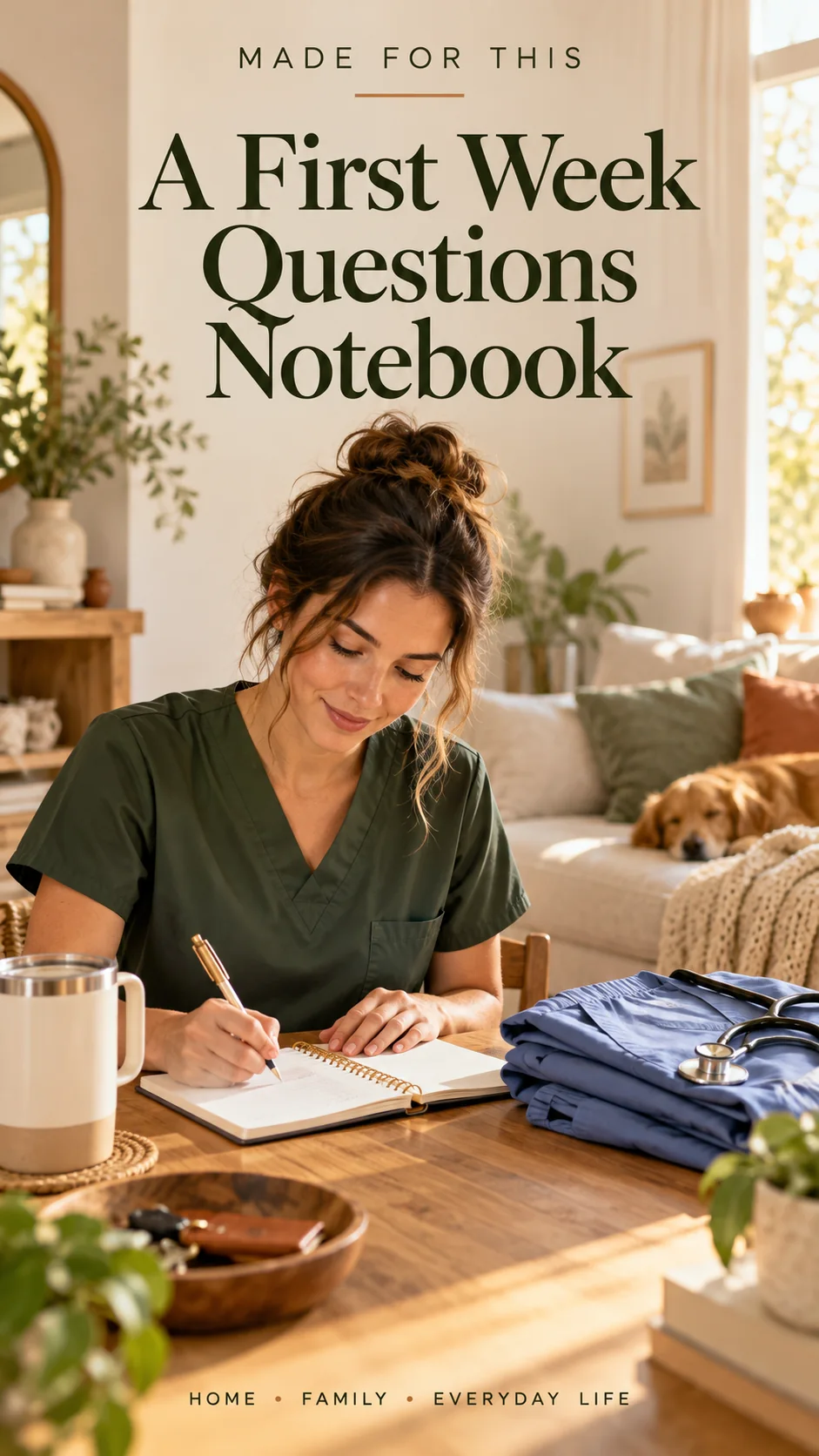
Use a small, privacy-conscious notebook to organize general orientation questions for a new workplace role.
The first week in a new role often produces more questions than anyone can remember at the end of a shift. Some are simple: where to find an approved checklist or who handles a schedule change. A small questions notebook can help a new employee bring those details back to the right person.
In a dental or other healthcare workplace, the notebook needs a clear boundary. Use it for general learning questions only when the employer permits it. Patient information and confidential workplace records belong in approved systems, not in personal notes.
Ask what kind of note-taking is allowed
Before using a personal notebook, ask the supervisor about the practice's policy. The employer may provide approved training materials or a workplace system for questions. Follow that process. A helpful personal habit should fit the organization's rules from the start.
If general notes are permitted, define what the notebook can contain: orientation questions, the location of approved resources, and reminders to ask for clarification. Leave out patient names, treatment details, images, identifiers, passwords, and confidential business information. Do not photograph workplace materials unless the employer specifically authorizes that activity.
Choose a small format you can manage. One page for questions and one for general follow-up may be enough. Keep the notebook where the employer says it may be used and stored. The aim is a reliable learning aid, not a parallel record of the workplace.
Turn a vague uncertainty into a specific question
Write the question in a form the appropriate person can answer. 'Where is the approved opening checklist?' has a clear subject. 'I need to understand everything' does not. A specific question helps the supervisor identify the resource or explanation needed.
Group questions by practical topic: arrival and scheduling, communication, approved resources, and the limits of the role. Ask who supervises the work and which tasks require further training or authorization. Do not use a notebook as permission to perform a task that has not been appropriately assigned and taught.
Bring urgent uncertainty to the supervisor immediately through the workplace's procedure. The notebook is for organizing follow-up, not delaying a concern that affects work in progress. If an instruction is unclear, ask before acting rather than relying on a personal guess or an internet summary.
Close questions with an approved next step
Choose an appropriate time with the supervisor to review nonurgent questions. Keep the conversation focused on a few items. If the answer is an approved policy or training resource, note where to find it without copying confidential material into a personal record.
Mark a question as resolved only when the next step is clear. Some answers may require a demonstration, training session, or another staff member's explanation. Record the general follow-up allowed by the workplace and confirm who will arrange it.
At the end of the week, remove duplicate questions and notice what still needs clarification. A useful learning record gets shorter as understanding improves. Follow the employer's instructions for retaining or disposing of notes, including any information that should not have been recorded.
A small plan you can use
- Ask the employer whether a personal questions notebook is permitted.
- Keep only general orientation questions and use approved systems for confidential information.
- Write specific questions and identify the appropriate supervisor or resource.
- Raise urgent uncertainty immediately instead of saving it for a later review.
- Close each question with an approved next step and follow the note-retention policy.
A first-week notebook is useful when it helps a question reach the right person. Keep it small, general, and within workplace policy so the habit supports clear learning and appropriate supervision.
Make room for one useful change
Browse Made for This for more practical ideas about family routines, creative learning, study, and a home that supports real life. Choose the smallest version of this idea that would help your household today. You can adapt the rest when you know what works.