
A thoughtful home and everyday life | Made for This
Prepare for a dental-workplace shift with a small routine that leaves room for learning and clear questions.
A new dental-workplace role can come with many ordinary details before the clinical work even begins: arrival instructions, where belongings go, how the team communicates, and which person can answer a question. Preparing for those details at home can make the start feel more organized.
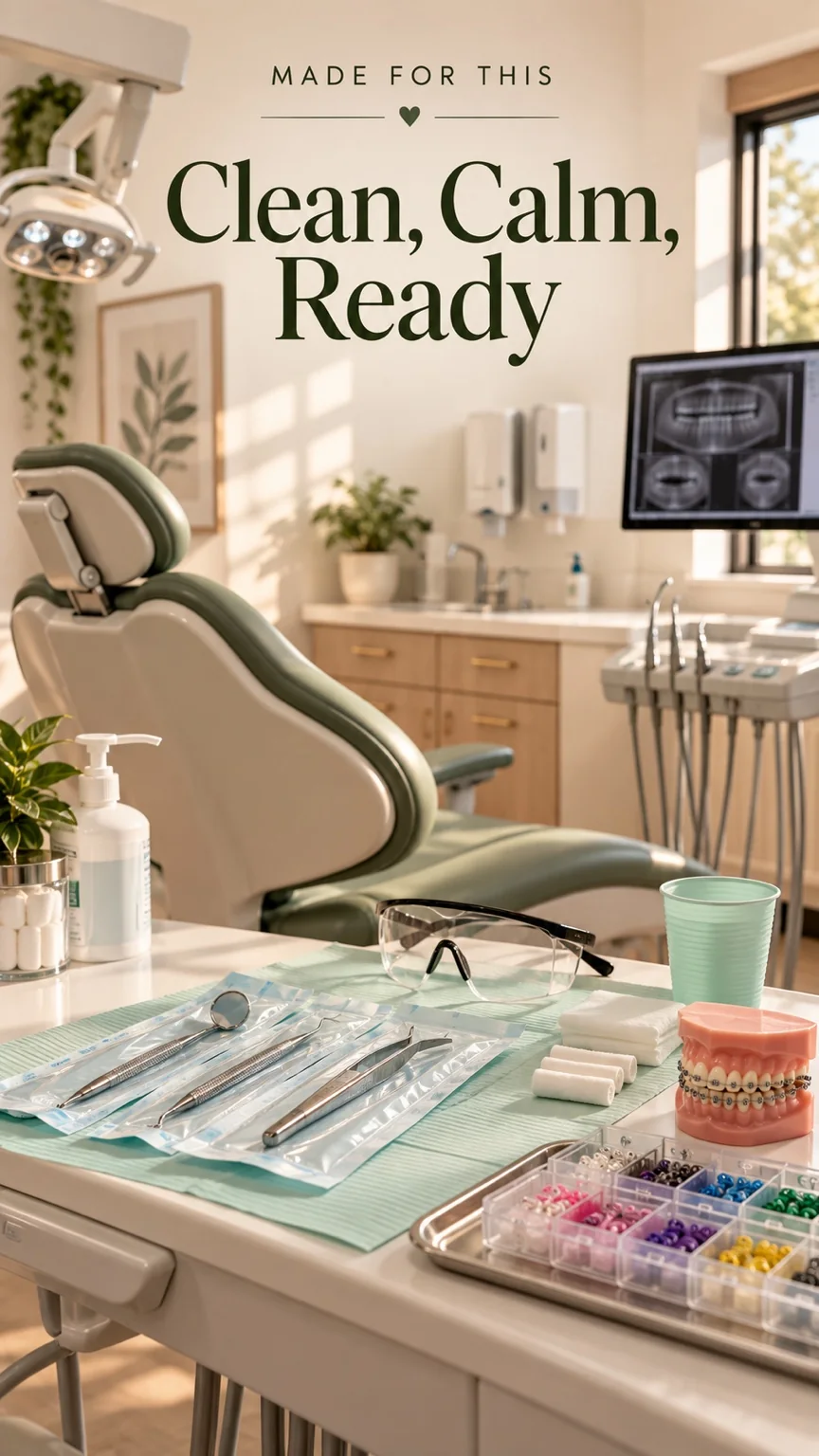
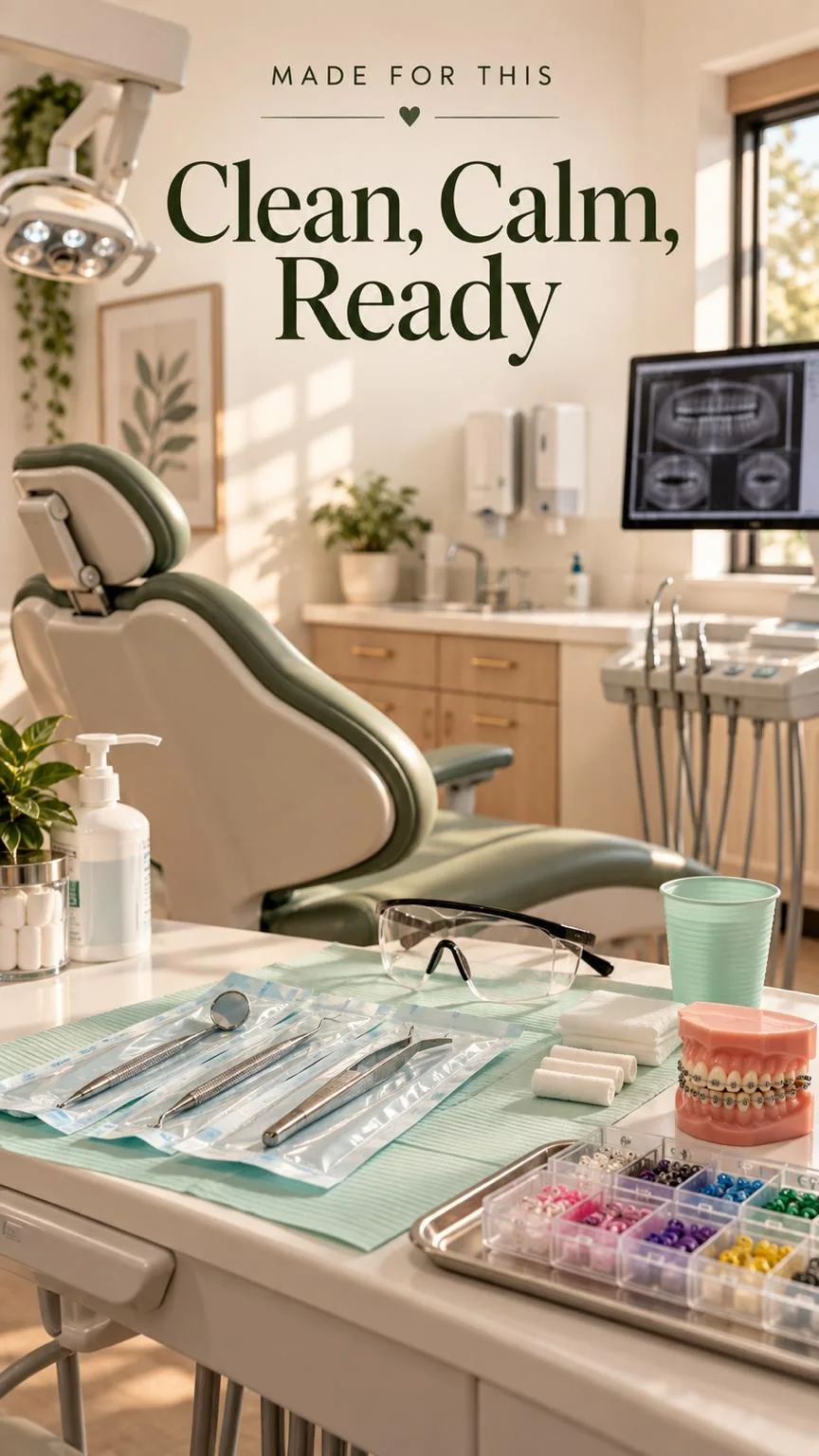
Clean, calm, and ready is a practical aim for the beginning of a shift. It means following the workplace's instructions, bringing the agreed items, and knowing when to ask. Clinical duties belong within the person's training, authorization, and the practice's supervision.
Prepare the items the workplace actually requests
Check the dress, footwear, identification, and arrival instructions provided by the practice. Prepare the appropriate items the evening before so the morning does not depend on finding them at the last moment. If an instruction is unclear, ask the practice instead of guessing what another office might expect.
Pack personal belongings simply. A meal, water, and the documents the employer requested may be enough, depending on the workplace's rules. Know where personal items can be stored. Keep the preparation based on the actual role rather than purchasing equipment that has not been requested.
Confirm the route and arrival point. A building may have a staff entrance, parking instructions, or a specific person who greets a new employee. Knowing those details gives the morning a clearer first step. Leave enough time for the routine you can reasonably control.
Bring questions that support a clear start
Write a few orientation questions before the shift: Who supervises my work? Which tasks am I currently authorized to perform? Where are the practice's approved procedures and training materials? Who should I contact if I am unsure about an instruction? These questions establish the local process without assuming that every dental office works the same way.
During orientation, ask how the team wants questions raised when the schedule is busy. A new employee needs a clear route for uncertainty. Repeating back an instruction or asking for a demonstration through the proper supervisor can be more useful than quietly trying to fill in a gap.
Use only the record systems and communication channels approved by the practice. Patient names, treatment details, images, and other confidential information should not go into a personal notebook or personal phone. A private learning note can record a general question without recording who was receiving care.
Create a small finish routine for the next shift
At the end of the workday, follow the practice's departure and clothing-handling instructions. Keep workplace protocols at the center of that process. A home routine can support preparation, but it should not substitute for the office's infection-control or other clinical procedures.
At home, check the next shift's start time and prepare any ordinary personal items you need. Record one general question that still needs clarification, without patient information. For example, 'Ask where the approved opening checklist is kept' is a useful orientation note.
Notice the practical detail that made the day harder. It may be an unclear entrance instruction, a missing lunch arrangement, or uncertainty about the supervisor's preferred communication route. Resolve that detail through the appropriate person. A more manageable routine develops through small, specific answers.
A small plan you can use
- Review the practice's arrival, clothing, and personal-item instructions.
- Prepare the requested items and confirm the route before the shift.
- Identify the supervisor and ask about the tasks you are authorized to perform.
- Keep learning questions general and leave patient information in approved systems.
- Follow the workplace's finish procedures and prepare one question for the next shift.
Readiness does not require knowing everything on the first day. It grows from appropriate preparation, clear supervision, and the willingness to ask a specific question. A small home routine can support that work without trying to replace the training itself.
Make room for one useful change
Browse Made for This for more practical ideas about family routines, creative learning, study, and a home that supports real life. Choose the smallest version of this idea that would help your household today. You can adapt the rest when you know what works.